
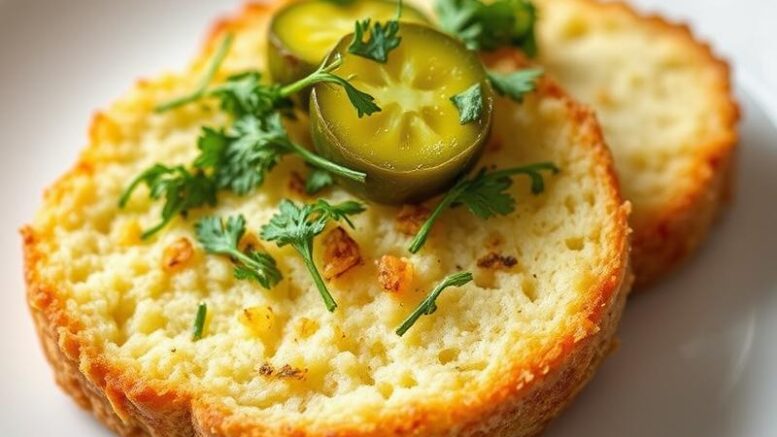
Dill Pickle Bread – Tangy, Savory, and Deliciously Unique!
Introduction
Imagine sinking your teeth into a warm, freshly baked loaf of bread that combines the tanginess of dill pickles with the richness of savory flavors, all in one deliciously unique treat. This Dill Pickle Bread recipe is a game-changer for anyone looking to add a twist to their traditional bread-making endeavors. With its ease of preparation, creative use of everyday ingredients, and impressive results, this recipe is perfect for both novice bakers and seasoned culinary experts. The best part? It’s incredibly easy to make and requires minimal effort, making it an ideal addition to any meal or as a standalone snack.
Why This Works
- Flavor balance and ingredient accessibility: The combination of dill pickles, flour, yeast, and spices creates a beautifully balanced flavor profile that is both tangy and savory. The ingredients are easily accessible and likely already stocked in your pantry.
- Ease of preparation: This recipe simplifies the bread-making process, requiring only basic mixing and baking skills. The use of a stand mixer or a simple hand mixer makes the process even more streamlined.
- Impressive results with minimal effort: Despite its simplicity, the end result is a stunning and deliciously unique bread that is sure to impress friends and family. The presentation is rustic and inviting, perfect for serving alongside soups, salads, or as a side to your favorite dishes.
Ingredients
- 2 cups of warm water
- 2 teaspoons of active dry yeast
- 1 tablespoon of sugar
- 3 cups of all-purpose flour
- 1 teaspoon of salt
- 1/4 cup of finely chopped fresh dill
- 1/2 cup of finely chopped dill pickles
- 2 tablespoons of butter, melted
- 1 egg, beaten (for egg wash)
Instructions
- Step 1: Begin by activating the yeast in the warm water with a teaspoon of sugar. Let it sit for about 5-7 minutes until it becomes frothy.
- Step 2: In a large mixing bowl, combine the flour, salt, chopped fresh dill, and chopped dill pickles. Mix well to incorporate all the ingredients evenly.
- Step 3: Add the yeast mixture to the dry ingredients and mix until a shaggy dough forms. Gradually add the melted butter and continue mixing until the dough comes together in a ball.
- Step 4: Knead the dough on a floured surface for about 10 minutes until it becomes smooth and elastic. Place the dough in a greased bowl, cover it with a damp cloth, and let it rise in a warm place for about an hour, or until it has doubled in size.
- Step 5: Preheat the oven to 375°F (190°C). Punch down the dough and shape it into a round or oblong loaf. Place the loaf on a baking sheet lined with parchment paper, brush the top with the beaten egg for a golden glaze, and bake for about 35-40 minutes, or until the bread is golden brown and sounds hollow when tapped on the bottom.
Handy Tips
- For an extra crispy crust, bake the bread for an additional 5-10 minutes. Keep an eye on it to prevent burning.
- Consider using different types of flour, such as whole wheat or rye, for a varied flavor and texture.
- If you don’t have fresh dill, you can substitute it with dried dill weed, but reduce the amount to about 1-2 teaspoons.
Heat Control
To achieve the perfect bake, ensure your oven is preheated to the correct temperature. The ideal internal temperature for bread is between 190°F and 200°F (88°C to 93°C). Use a thermometer to check the internal temperature, especially if you’re unsure. The bread should sound hollow when tapped on the bottom and have a golden brown crust.
Crunch Factor
The crunch factor in this Dill Pickle Bread comes from the crispy crust and the texture of the chopped dill pickles. To enhance the crunch, make sure to bake the bread until it’s golden brown and sounds hollow. You can also try baking it for a few minutes longer to get an even crisper crust, but be cautious not to overbake.
Pro Kitchen Tricks
- Use a stand mixer with a dough hook attachment to simplify the kneading process and reduce manual labor.
- Let the dough rise in the refrigerator overnight for a slower, more controlled rise, which can enhance the flavor and texture of the bread.
- For a more golden crust, brush the bread with egg wash twice during baking, once before baking and once about 15 minutes into the baking time.
Storage Tips
- Store the cooled bread in an airtight container at room temperature for up to 3 days.
- For longer storage, wrap the bread tightly in plastic wrap or aluminum foil and freeze for up to 2 months. Thaw frozen bread at room temperature or reheat it in the oven.
- Reheat the bread in the oven at 350°F (175°C) for about 10-15 minutes, or until warmed through.
Gift Packaging Ideas
This Dill Pickle Bread makes a wonderful gift, especially when packaged in a charming way. Consider wrapping the cooled bread in a rustic paper bag or a linen cloth, tied with a twine or a ribbon. You can also include a small jar of homemade butter or a packet of artisanal cheese for a complete gift basket.
Flavor Variations
- Different spices: Try adding some dried or fresh herbs like thyme, rosemary, or oregano to the dough for a varied flavor profile.
- Creative toppings: Before baking, top the bread with some grated cheese, sesame seeds, or poppy seeds for added flavor and texture.
- Ingredient swaps: Substitute the all-purpose flour with whole wheat flour or a mix of different flours for a nuttier flavor and denser texture.
Troubleshooting
- Texture problems: If the bread turns out too dense, it might be due to overmixing the dough. Try to mix the ingredients just until they come together, and avoid overkneading.
- Ingredient replacements: If you don’t have dill pickles, you can try using chopped fresh cucumbers or zucchini, but the flavor will be slightly different.
- Over/undercooking signs: Keep an eye on the bread while it’s baking, and check for doneness by tapping the bottom of the loaf. If it sounds hollow, it’s done. If not, bake for a few more minutes and check again.
FAQs
- Can I freeze it? Yes, you can freeze the bread for up to 2 months. Wrap it tightly in plastic wrap or aluminum foil and thaw at room temperature or reheat in the oven.
- Is it gluten-free? No, this recipe uses all-purpose flour and is not gluten-free. However, you can try substituting the flour with a gluten-free flour mix, but the texture and flavor might be slightly different.
- Can I double the recipe? Yes, you can easily double the recipe to make a larger batch of bread. Just keep in mind that you might need to adjust the baking time slightly.
Conclusion
This Dill Pickle Bread recipe is a must-try for anyone looking to add some excitement to their bread-making routine. With its unique flavor combination, ease of preparation, and impressive results, it’s perfect for special occasions or everyday meals. Don’t be afraid to experiment with different ingredients and flavor variations to make the recipe your own. Share your creations with friends and family, and enjoy the joy of baking and sharing delicious food together.
Be the first to comment on "Dill Pickle Bread Tangy Savory"